EN
EN

Medical devices are becoming smaller, more flexible, and more specialized. As procedures become less invasive and more image-guided, the interface between the device surface and the human body has become an important focus for product development.
The base material of a device—such as stainless steel, nitinol, PTFE, Pebax, TPU, silicone, PEEK, or other medical-grade polymers—rarely provides all the surface properties required for its intended application. Functional coatings for medical use are engineered surface layers that can add targeted properties such as lubricity, hydrophilicity, hemocompatible surface behavior, anti-fouling performance, or radiopaque visibility.
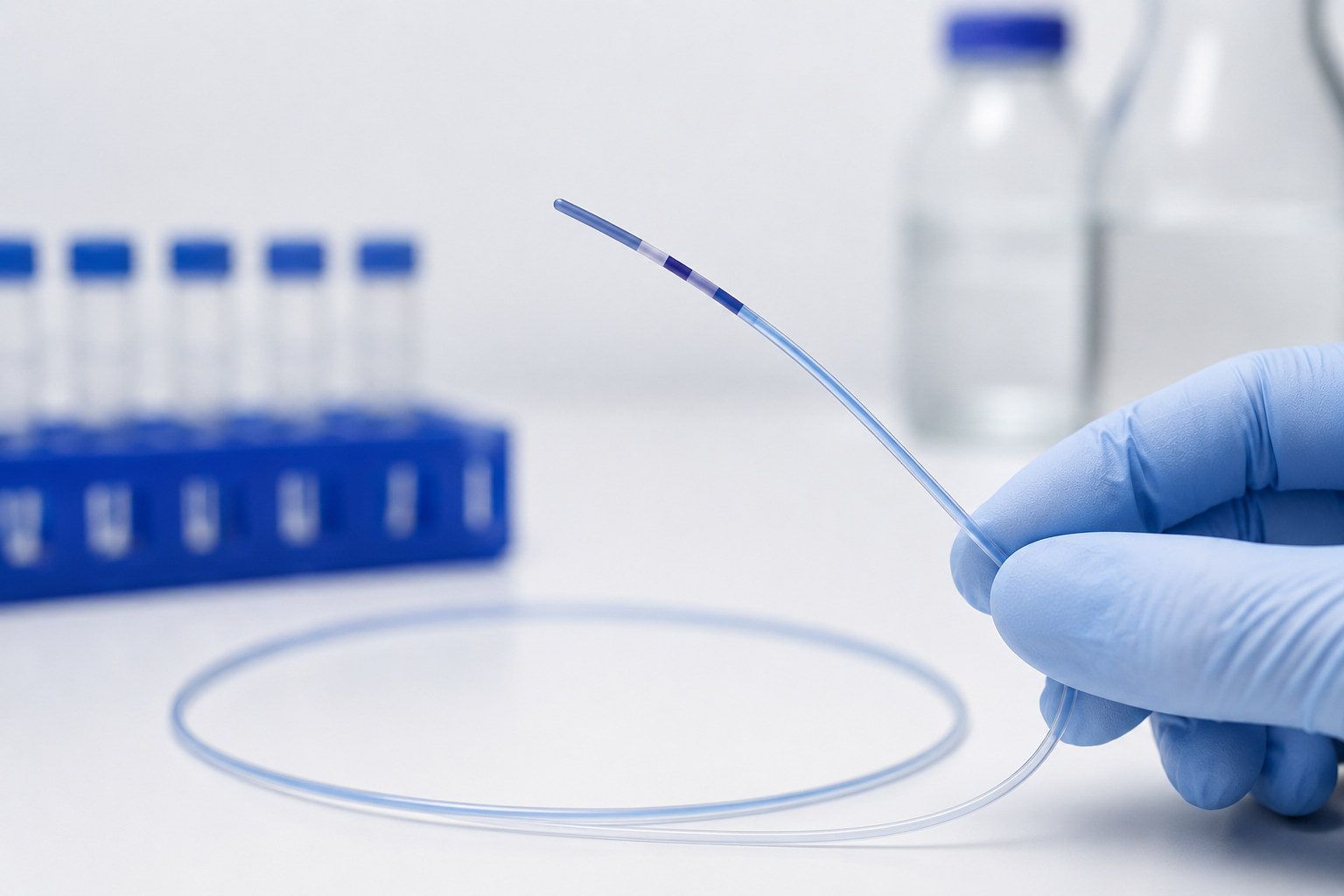
When a medical device enters the body, proteins, platelets, immune cells, microorganisms, and biological fluids may interact with the device surface. These interactions can influence friction, fouling, inflammation, clot formation, device handling, and long-term performance.
Functional coatings for medical use are designed to help manage these surface interactions. They do not eliminate the need for device-specific testing, but they can provide a practical way to improve surface properties while preserving the underlying device structure and mechanical performance.
Suzhou Silver Mars New Materials Technology Co., Ltd. is located in Nanopolis Suzhou, China, and focuses on bionic and nanoscale polymer materials for medical and high-tech applications. Silver Mars provides customized functional coating solutions for medical device manufacturers, from early feasibility evaluation to process optimization and scale-up support.
The company’s capabilities include material research and development, coating formulation, substrate evaluation, process design, customized coating equipment, technical services, and industrialization support. This full-process capability is important because different substrates and device structures may require different surface pretreatment, coating chemistry, primer strategy, curing process, and quality-control method.
A key approach in functional coatings for medical use is biomimicry. Phosphorylcholine coating technology is one example. Phosphorylcholine groups are inspired by the zwitterionic headgroups present in natural cell membrane phospholipids. This structure can help form a hydrophilic hydration layer on the device surface.
When properly engineered, a phosphorylcholine-based coating can help reduce nonspecific protein adsorption and support hemocompatible surface behavior. This makes it relevant for blood-contacting devices, interventional devices, dialysis-related components, and other applications where surface compatibility is important.
Functional coatings for medical use can be tailored for different clinical and manufacturing scenarios. Common application directions include:
• Vascular and interventional devices: hydrophilic or hemocompatible coatings may support smoother navigation and help manage blood-surface interactions.
• Urological devices: hydrolysis-resistant and low-fouling coatings may support durability in aqueous-use environments.
• Ophthalmic and soft-contact applications: hydrophilic surface modification may support wettability and surface comfort, subject to product-specific validation.
• Image-guided devices: radiopaque coatings can improve visibility under X-ray or CT without requiring major changes to the device structure.
• Dialysis and other blood-contacting components: biomimetic coating strategies may help reduce undesirable surface interactions in validated applications.
For all of these applications, final performance depends on the device design, substrate, coating process, sterilization method, and intended clinical use.
A successful medical coating project requires more than selecting a polymer or chemical formulation. The coating must be compatible with the device material, geometry, and production workflow. It must also maintain its required properties after handling, packaging, sterilization, and simulated use.
Silver Mars supports customers by evaluating the full coating system, including substrate preparation, coating uniformity, bonding strategy, process parameters, equipment configuration, and verification testing. This helps manufacturers build a more reliable path from laboratory samples to scalable production.
For medical device manufacturers, functional coatings for medical use may provide several development advantages:
• Add targeted surface properties without changing the main device material.
• Improve lubricity, hydrophilicity, hemocompatibility, or visibility according to the intended application.
• Support technical documentation through defined coating specifications and verification testing.
• Enable customized solutions for complex geometries and difficult-to-coat substrates.
• Support manufacturing consistency through controlled process design and customized equipment.
These advantages should be translated into device-specific performance claims only after appropriate verification, validation, and regulatory review.
Choosing a coating partner involves more than purchasing a material. Medical device manufacturers need a team that understands surface chemistry, device design, process engineering, quality control, and regulatory expectations.
Silver Mars works with medical device companies to develop customized coating systems for interventional, implantable, urological, ophthalmic, radiopaque, and disposable device applications. By integrating material development with process and equipment support, Silver Mars helps customers evaluate coating feasibility and move toward scalable manufacturing.
If your team is developing a device that requires improved surface performance, Silver Mars can help assess the coating strategy based on your substrate, clinical application, performance goals, and validation requirements.
Functional coatings for medical use are specialized surface layers applied to medical instruments, implants, or components to modify how the device surface interacts with the body or the clinical environment.
Depending on the coating design, functional coatings can help improve lubricity, hydrophilicity, hemocompatible surface behavior, anti-fouling performance, radiopaque visibility, or surface durability.
Many common medical substrates can be evaluated for coating feasibility, including metals and polymers. However, each material may require specific surface preparation and process development to achieve stable adhesion and durability.
Sterilization compatibility is coating- and device-dependent. Functional coatings can be engineered and tested for selected sterilization methods such as EtO, gamma radiation, or E-beam, but compatibility should be verified on the finished device.
Phosphorylcholine is used because its biomimetic, zwitterionic structure can support a hydrophilic hydration layer and help reduce nonspecific protein adsorption. This makes it useful for coatings intended to support surface compatibility in blood-contacting and tissue-contacting applications.