EN
EN

Hydrophilic surface modification is a critical technique in enhancing the performance and safety of medical devices. By altering the surface properties of materials to increase their affinity for water, this modification improves biocompatibility, reduces friction, and minimizes the risk of adverse biological reactions. One of the most effective methods involves the application of phosphorylcholine (PC)-based coatings, which mimic the structure of cell membranes and offer significant advantages in medical applications.
Hydrophilic surface modification refers to the process of altering a material's surface to increase its water affinity. This is typically achieved by introducing hydrophilic groups, such as phosphorylcholine, onto the surface. These modifications enhance the wettability of the material, leading to improved interactions with biological systems. The incorporation of PC groups, which are zwitterionic and mimic the cell membrane's outer layer, plays a pivotal role in creating surfaces that resist protein adsorption and reduce thrombus formation.
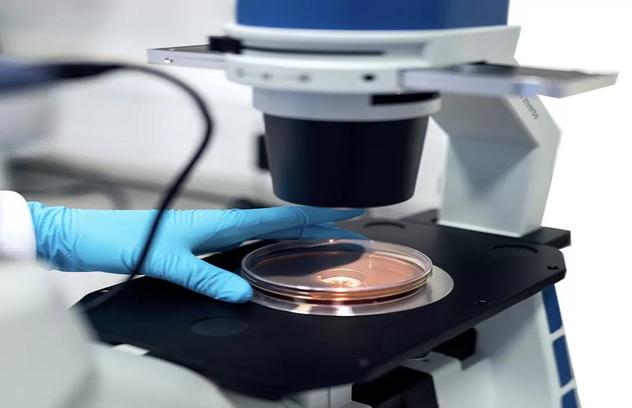
The primary mechanism behind hydrophilic surface modification is the introduction of hydrophilic functional groups that interact favorably with water molecules. This interaction results in a hydrated layer on the surface, which can:
Reduce Protein Adsorption: The hydrated layer prevents nonspecific protein binding, which is crucial for applications like blood-contacting devices.
Minimize Thrombosis: By reducing protein adsorption, the likelihood of platelet adhesion and subsequent clot formation is decreased.
Enhance Biocompatibility: The modification leads to a surface that is more compatible with biological tissues, reducing inflammatory responses.
Improve Lubricity: Increased water content on the surface lowers friction, facilitating smoother interactions with surrounding tissues.
Hydrophilic surface modification is widely applied in various medical devices to enhance their performance and safety. Some common applications include:
Catheters: Hydrophilic coatings reduce friction, making insertion and removal smoother and less traumatic to tissues.
Stents: The modification helps in reducing the risk of thrombosis and restenosis by preventing protein and cell adhesion.
Dialysis Membranes: Hydrophilic surfaces improve the biocompatibility of membranes, leading to better patient outcomes.
Wound Dressings: The modification promotes moisture retention and reduces the risk of infection.
| Property | Hydrophilic Surface | Hydrophobic Surface |
|---|---|---|
| Wettability | High | Low |
| Protein Adsorption | Low | High |
| Friction | Low | High |
In conclusion, hydrophilic surface modification, particularly through the application of phosphorylcholine-based coatings, significantly enhances the performance and safety of medical devices. By improving wettability, reducing protein adsorption, and minimizing thrombosis risk, these modifications contribute to better patient outcomes and the advancement of medical technology.