EN
EN

Coating for medical devices play a pivotal role in enhancing the functionality, safety, and longevity of various medical instruments. By applying specialized coating for medical devices, manufacturers can tailor device surfaces to meet specific clinical requirements, ensuring optimal performance in diverse medical applications.
Coating for medical devices significantly improve biocompatibility, reducing the risk of adverse reactions when devices come into contact with body tissues. Materials such as Parylene and PTFE are commonly used to create inert barriers that prevent inflammation and allergic responses, making them ideal for implants and long-term medical devices. These coating for medical devices ensure that devices can function effectively without eliciting harmful immune responses.

The application of coating for medical devices enhances the mechanical properties of medical devices, providing resistance to wear, corrosion, and chemical degradation. For instance, hard coating for medical devices like TiSiN and ZrN improve the fretting corrosion resistance of alloys used in orthopedic applications, extending the lifespan of implants and reducing the risk of device failure.
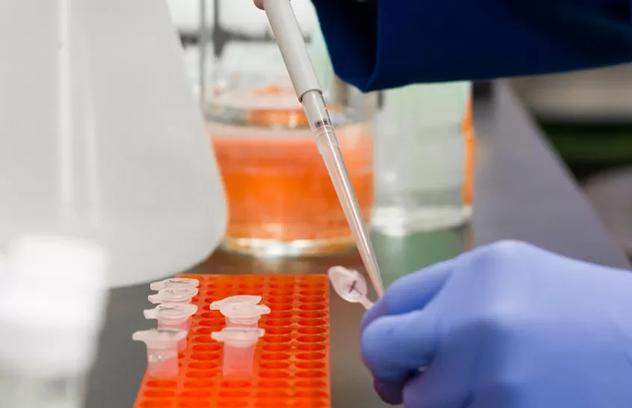
Coating for medical devices contribute to the ease of cleaning and sterilization of medical devices, which is crucial for preventing infections and ensuring patient safety. Hydrophobic and antimicrobial coating for medical devices can prevent the adhesion of bacteria and other pathogens, thereby reducing the risk of healthcare-associated infections. These coating for medical devices also make it easier to maintain the cleanliness of devices, ensuring they remain safe for use over time.
Beyond basic protection, coating for medical devices can impart additional functional properties to medical devices. For example, lubricious coating for medical devices reduce friction, facilitating smoother insertion and movement of devices within the body. This is particularly beneficial for devices like catheters and guidewires, where ease of maneuverability is essential. Additionally, coating for medical devices can provide radiopacity, allowing for better visualization during imaging procedures.
| Benefit | Description |
|---|---|
| Enhanced Biocompatibility | Reduces adverse tissue reactions and ensures safe interaction with the body. |
| Improved Durability | Increases resistance to wear, corrosion, and chemical degradation. |
| Easier Sterilization | Simplifies cleaning processes and prevents microbial growth. |
| Added Functional Properties | Provides lubrication and radiopacity for better device performance. |
In conclusion, coating for medical devices are essential for optimizing device performance, ensuring patient safety, and extending the lifespan of medical instruments. By selecting appropriate coating for medical devices, manufacturers can tailor devices to meet specific clinical needs, thereby enhancing the overall effectiveness of medical treatments.