EN
EN

Phosphorylcholine coating is a biomimetic surface treatment that mimics the outer membrane of human cells. This similarity provides exceptional biocompatibility to medical devices, reducing adverse reactions when in contact with biological systems.
Phosphorylcholine coating significantly reduces the risk of thrombosis by minimizing platelet adhesion and activation. PC-coated surfaces exhibit lower levels of platelet aggregation compared to uncoated materials, decreasing the likelihood of clot formation in blood-contacting devices.
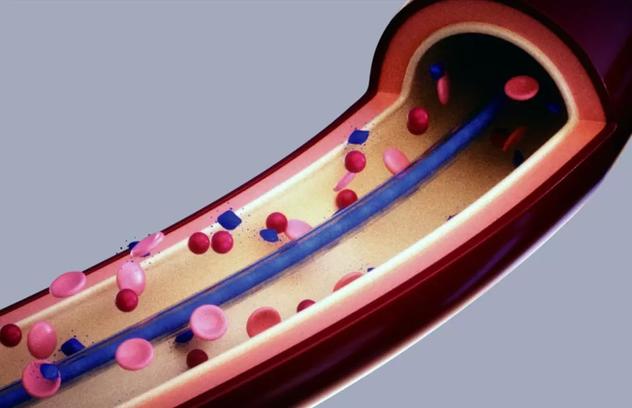
By mimicking the structure of cell membranes, phosphorylcholine coating reduces the activation of immune cells such as neutrophils and macrophages. This lowers the inflammatory response, which is crucial for the long-term success of implanted medical devices.
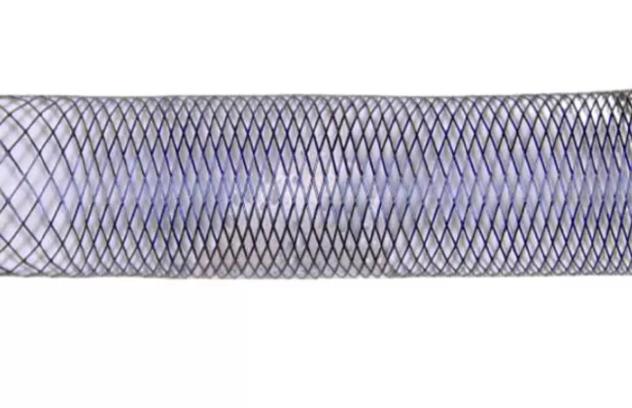
Phosphorylcholine coatings are stable under physiological conditions. Covalent bonding of PC to the substrate ensures the coating remains intact over extended periods, maintaining its beneficial properties and reducing the need for frequent re-coating or device replacement.

Phosphorylcholine coating is suitable for a wide range of medical devices, including stents, catheters, and dialysis equipment. Its versatility enhances biocompatibility and functionality across different device types and medical procedures, while supporting customized coating solutions for specific clinical and device requirements.
| Advantage | Description |
|---|---|
| Hemocompatibility | Reduces thrombosis risk by minimizing platelet adhesion and activation |
| Inflammatory Response | Decreases immune cell activation, leading to lower inflammation |
| Stability and Durability | Ensures long-term performance with minimal degradation |
| Application Versatility | Suitable for a wide range of medical devices and procedures |
In conclusion, phosphorylcholine coating offers major advantages in medical applications by improving biocompatibility, reducing adverse biological responses, and providing long-term stability. Its versatility makes it an ideal choice for enhancing the safety and performance of modern medical devices.